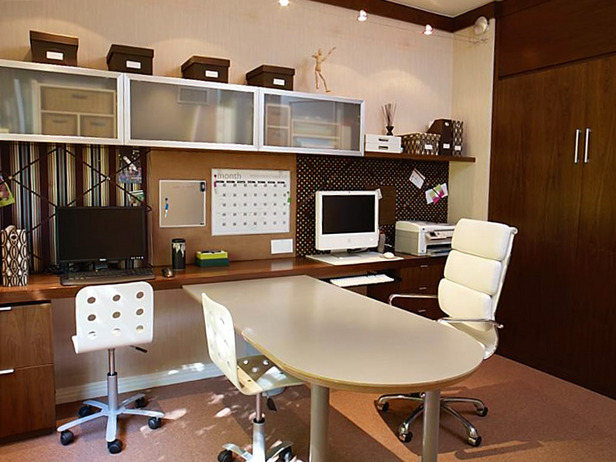
 More and more we are expected to be superwoman in our everyday lives. Super wives and mothers, with ours homes and families organized and running well. And great employees or business owners with everything under control! If you are going to have chance of meeting these wild expectations you are going to need to know how to get organized at work. Being organized will leave you with the most time in your day to find success in all your endeavors.
How Can I Save Time and Learn How to Get Organized at Work?
• Plan your day out to suit your strengths. Most of us have times of the day when we are most productive, and times when we are less. If you are at your best right away in the morning, plan to work on your high demand projects right when you get to work in the morning. If you lag the hour before lunch use that time to work less demanding projects.
• Don’t put off a decision that can be made now. Delay a decision unnecessarily and you are wasting time and keeping things on your plate that could be cleared off now! It you need further explanation, ask for it. Asking a question instead of making an assumption could save you a lot of time if it means not doing something all over again.
What is Stealing My Time at Work?
Learning how to be organized at work can help you avoid the traps that steal our time at work. When things become muddled and unclear it is hard to get things done.
• When directions are unclear, and decisions aren’t made everything takes more time.
• Can you say no? It is a problem for many women in their work and home life. Not being able to say no when you need to can destroy a schedule you are trying to keep at work.
• Cluttered, messy, and unorganized work areas are a HUGE problem when it comes to getting things done.
• Not knowing how to name computer files is a problem. When you can’t find what you need you spend precious minutes, or more, searching for it. This applies to paper files and computer files. Developing systems to help you name and find files when you need them will help you stop wasting time.
How to Name Computer Files.
If you don’t have a system when it comes to naming files, especially shared files, you may be losing precious time searching for them. Using a consistent file naming system means you will have fast easy access to your information.
Create a footer at the bottom of your working documents. Your footer should include: “Path and Filename”, “Page X of Y”, “Originator of the Document”, and the “Date”.
When your document reaches its final form remove your footer.
Use this format for naming your files:
Main Subject_Keyword_Keyword_VersionNumber/Final_YYYY¬¬¬-MM¬-DD
For example: Budgets_Board Manual_v1_2008-08-25
Unclutter Your Desktop.
While you are organizing your files finish uncluttering your workspace by cleaning up your desktop. If your desktop is a big cluttered mess it is just as distracting and just as big of a time waster as paper clutter.
Use shortcuts to folders you use frequently. Folders are also important for files that may be saved on your desktop currently. Keeping the right files in the right folders will make it faster to find what you need, all while eliminating visual clutter.
So when you are learning how to be organized at work there are several important things to keep in mind. First, make a decision when you can! Procrastination can be destructive and a real time eater. Clutter and disorganization are a big way to lose time in your day. Knowing how to name computer files well can help you become more organized. Once you save yourself time at work you have more time to take care of not only your family at home, but also yourself! Remember it is important to take care of yourself so you can continue to be the wonder woman we know you are.
 Is your closet so jammed packed that you can’t see what you have or you can’t squeeze another item into it?